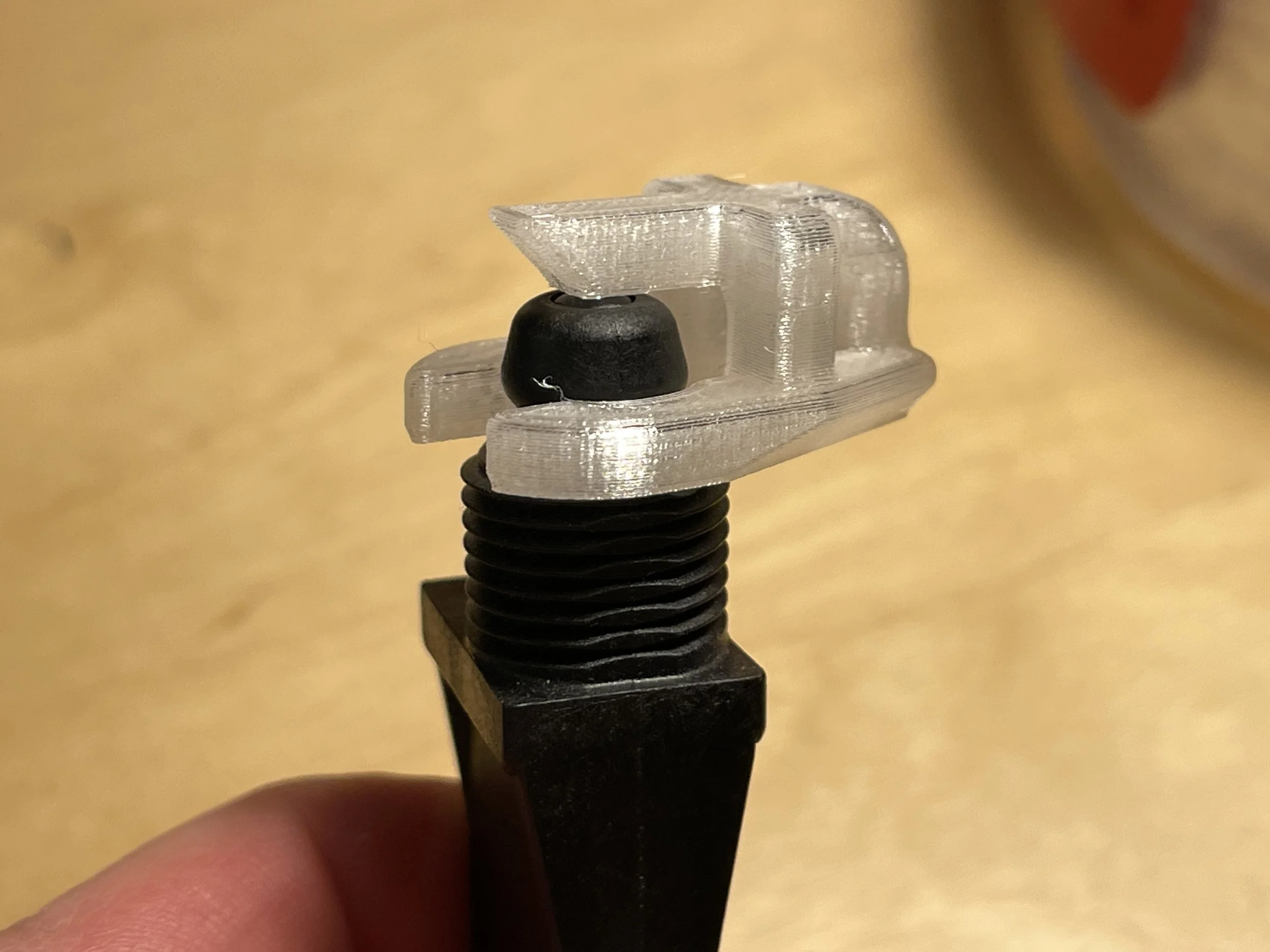
How 3D Printing Is Revolutionizing Replacement of Discontinued Plastic Parts
Finding replacement plastic parts for older equipment can be frustrating—especially when those parts are no longer manufactured. From appliances to machinery, a single broken plastic component can render an otherwise functional product useless.
Thanks to advances in 3D printing, recreating discontinued plastic parts is now easier, faster, and more cost-effective than ever.
The Challenge of Discontinued Plastic Parts
Manufacturers often stop producing spare parts once a product reaches a certain age. This creates several problems:
Injection molding requires expensive tooling, making small production runs impractical
Spare parts for older equipment become scarce or unavailable
Used or salvaged parts are often brittle and unreliable
Custom manufacturing for one-off parts is expensive and slow
As a result, many products are discarded even though only a small plastic part has failed.
How 3D Printing Makes Replacement Parts Possible
3D printing eliminates the need for molds and mass production. Instead, replacement plastic parts can be recreated on demand using digital designs.
The typical process includes:
Analyzing the original part
Even broken or worn parts can usually be measured and reconstructed.Creating a digital CAD model
The part is reverse-engineered and prepared for printing.3D printing and testing
Fit and function are tested, with quick adjustments if needed.Finalizing the design
Improvements can be made before producing the finished replacement.
This approach allows discontinued plastic parts to be reproduced—even decades after original manufacturing stopped.
3D Printing Replacement Parts for Old Outboard Motors
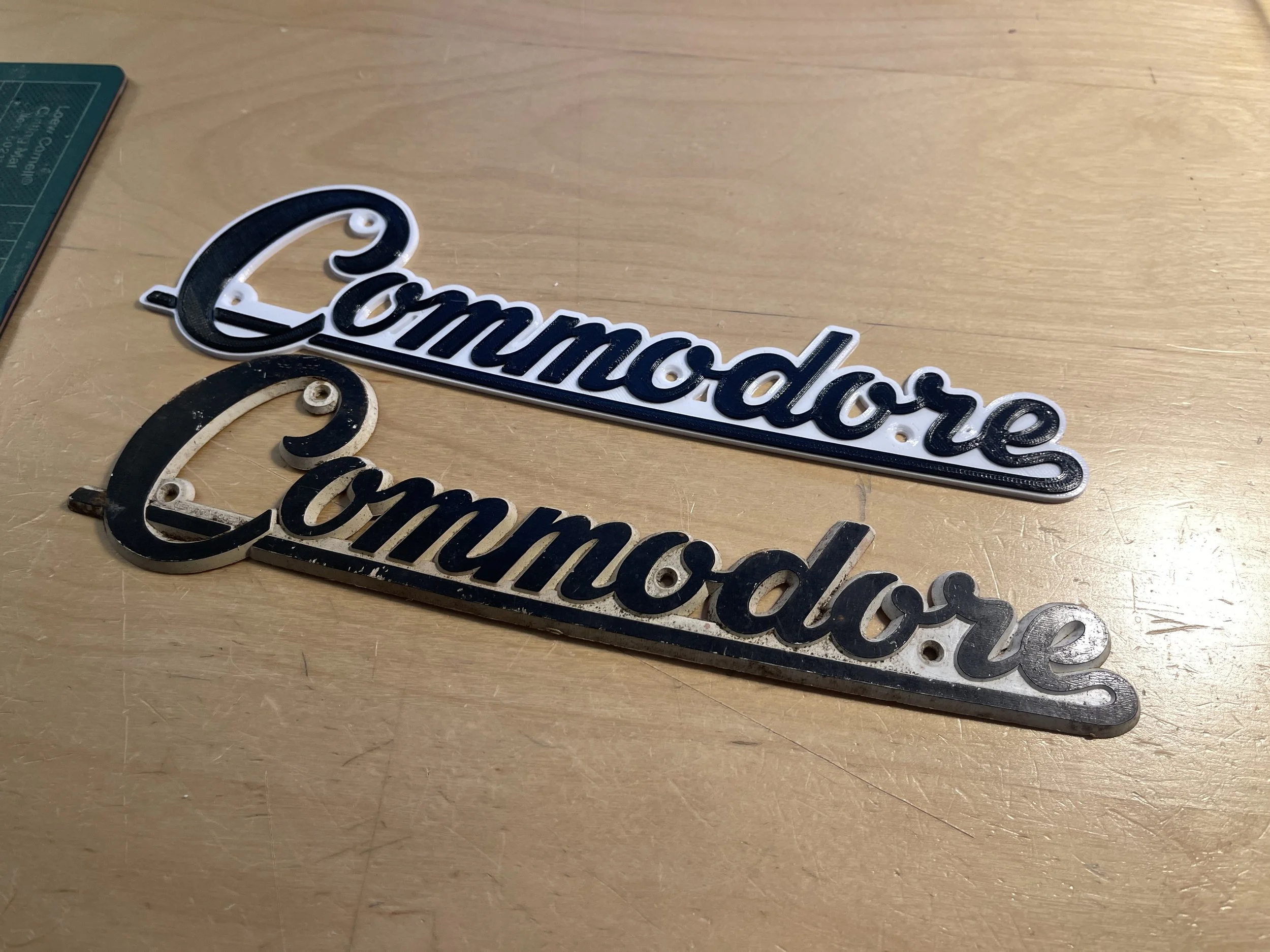
Bellair3D already uses 3D printing to recreate plastic parts for older outboard motors where spare parts are no longer available. Many of these motors are mechanically reliable, but a single discontinued plastic component—such as a clip, housing, linkage, or cover—can prevent them from running properly.
By reverse-engineering and 3D printing these parts, it’s possible to keep older outboard motors operational without relying on rare or overpriced second-hand components. In some cases, known weak points in the original parts can be reinforced during the redesign, resulting in replacements that last longer than the originals.
For owners of vintage or discontinued outboard motors, 3D printing offers a practical and affordable repair solution.
Improving and Updating Original Part Designs
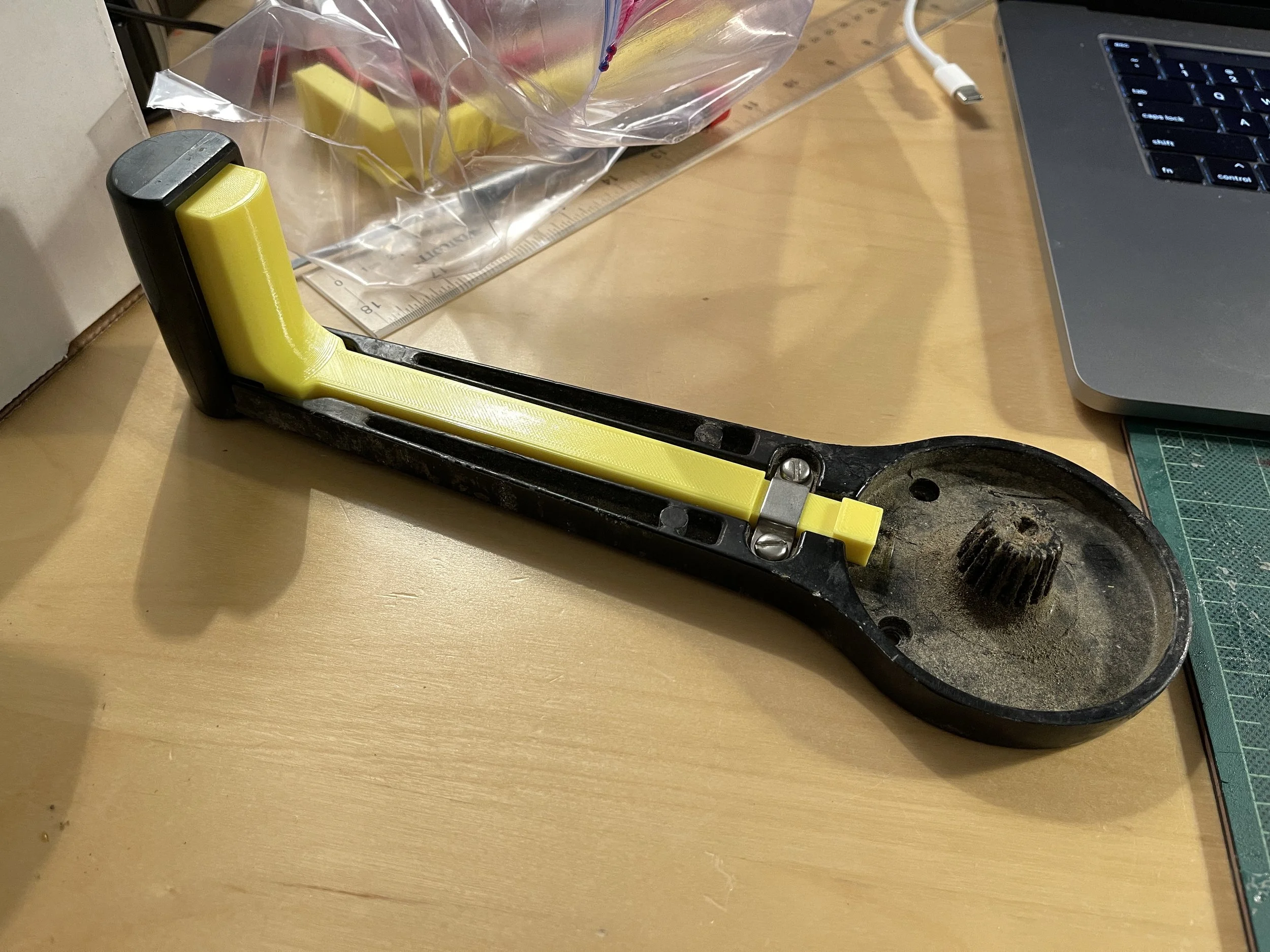
One of the major advantages of 3D printing replacement parts is the ability to improve on original designs. Instead of copying parts exactly, adjustments can be made to:
Strengthen high-stress or failure-prone areas
Improve fit and alignment
Simplify installation or removal
Correct design flaws discovered through long-term use
This means 3D-printed replacement parts can often outperform the original factory components.
The Future of Discontinued Part Replacement
As 3D scanning and modeling technology continues to improve, recreating discontinued plastic parts will become even more accessible. Replacement components can be digitally archived and reproduced locally whenever needed.
For older equipment—especially outboard motors—this means longevity is no longer limited by manufacturer support.
Conclusion
3D printing is transforming the way discontinued plastic parts are replaced. By removing the barriers of tooling, mass production, and long supply chains, it allows individuals and small businesses to restore, repair, and extend the life of older equipment.
When a single plastic part stands between a broken machine and a working one, 3D printing makes the difference and Bellair3D is taking advantage of this.