
When ordering a custom 3D printed part, choosing the right material can make a big difference in how the finished product looks and performs. Two of the most common materials used in FDM 3D printing are PLA and PETG. Both are affordable, versatile, and suitable for a wide range of applications, but they have some important differences.
So, which should you choose? Let's take a look at how PLA and PETG compare and when each material makes the most sense.
What Is PLA?
PLA (Polylactic Acid) is one of the most popular materials in 3D printing. It's known for its excellent surface finish, dimensional accuracy, and affordability.
PLA is relatively rigid and holds its shape well, making it a great choice for prototypes, display models, and general-purpose parts that won't experience significant mechanical stress or high temperatures.
Common applications include:
Product concept models
Decorative objects and display pieces
Architectural models
Indoor organizers and accessories
If appearance, affordability, and dimensional accuracy are priorities, PLA is often an excellent choice.
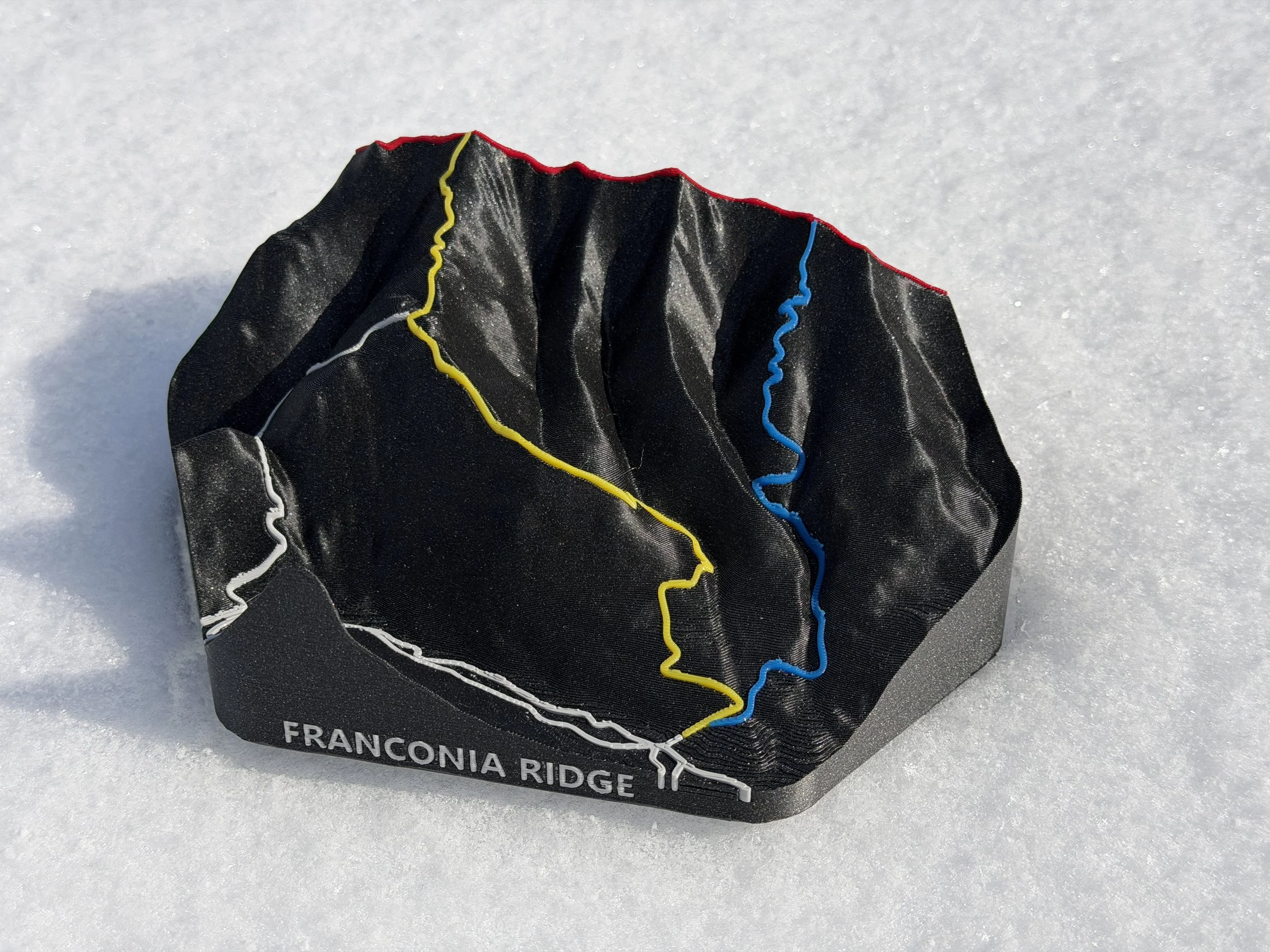
A highly cosmetic display piece printed in PLA plastic by Bellair3D
What Is PETG?
PETG (Polyethylene Terephthalate Glycol-modified) is another popular 3D printing material that offers a combination of strength, flexibility, and durability.
Compared to PLA, PETG is generally more impact-resistant and less brittle. It also offers better resistance to moisture and higher temperatures, making it a good option for functional parts and components that will see regular use.
Common applications include:
Functional brackets and mounting hardware
Replacement parts and components
Outdoor accessories
Protective enclosures
Mechanical fixtures and tooling
For parts that need to withstand everyday handling, impacts, or exposure to the elements, PETG is often the better choice.
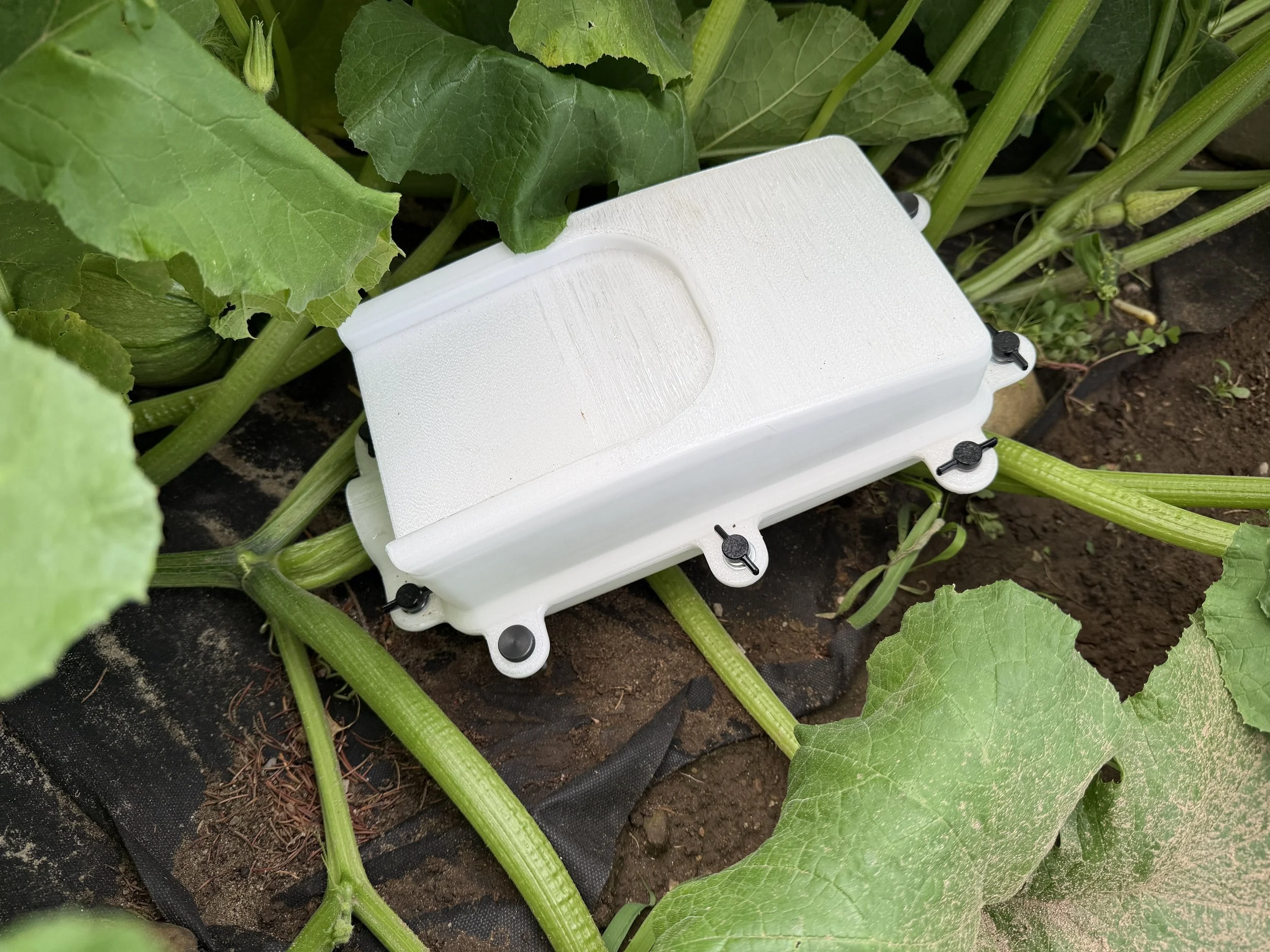
A pumpkin mold printed in PETG plastic by Bellair3D
Strength and Durability
PLA is generally stiffer and more rigid than PETG, making it great for parts that need to maintain their shape. However, it can be brittle and more prone to cracking under sudden impacts.
PETG is tougher and more impact-resistant, making it a better choice for parts that may experience vibration, repeated handling, or occasional impacts.
Heat and Outdoor Resistance
PLA begins to soften around 55–60°C (131–140°F), which can be problematic for parts exposed to hot environments, such as inside a vehicle during the summer.
PETG handles higher temperatures, typically around 75–85°C (167–185°F), and offers better moisture resistance. This makes it a more suitable choice for many outdoor applications.
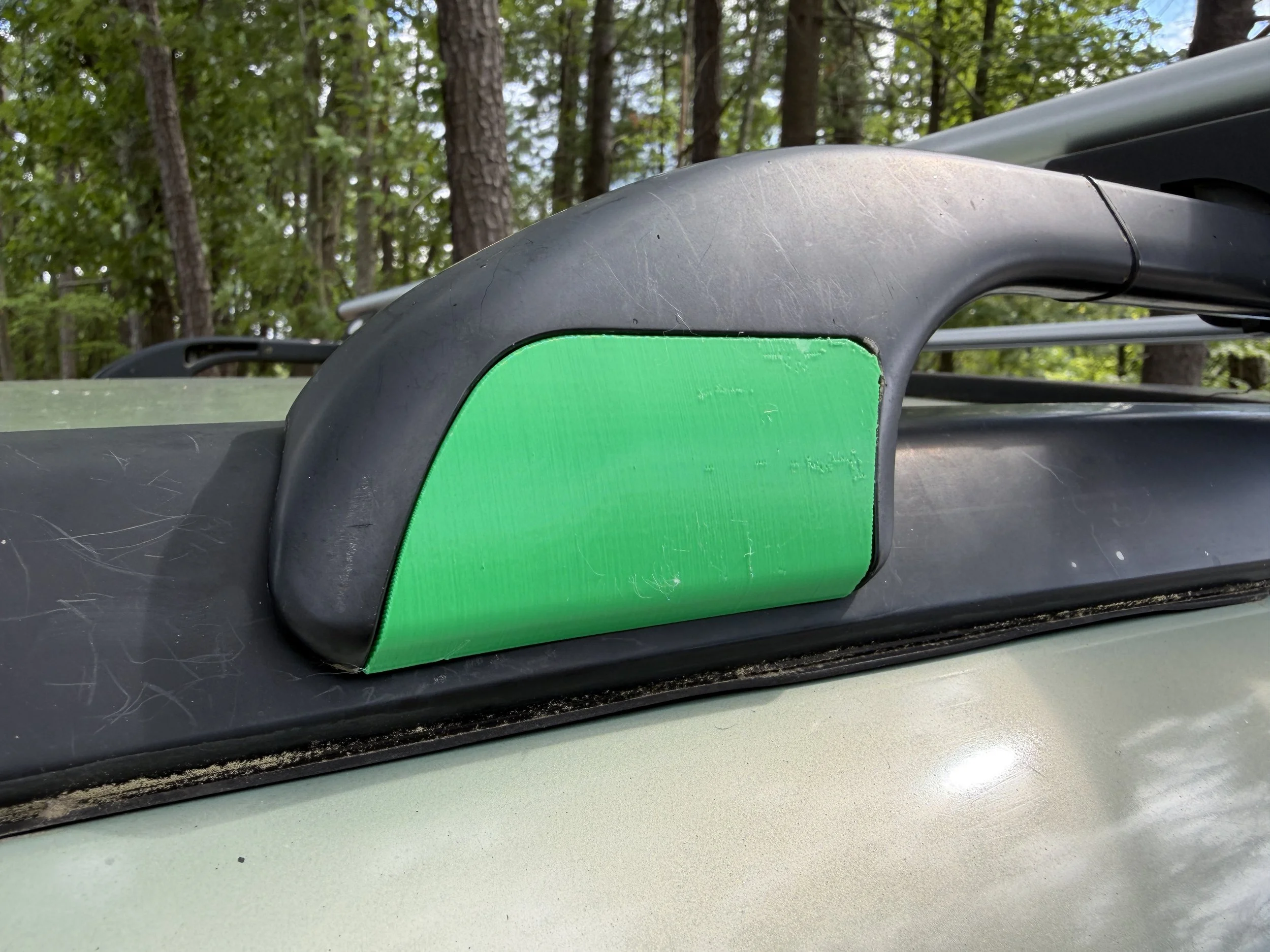
A prototype of a roof rail cover printed by Bellair3D in PETG plastic
Appearance and Cost
Both materials are available in a wide variety of colors and can produce attractive finished parts. PLA generally offers better detail and surface quality, making it particularly popular for prototypes and display models.
PLA is typically less expensive than PETG. However it should be noted, when ordering a custom part, factors like size, complexity, and print time can have a much larger impact on the final price.
Which Material Should You Choose?
As a general rule, choose PLA for cosmetic prototypes, display models, and indoor parts where rigidity and appearance are important. Choose PETG for functional parts that need additional toughness, impact resistance, or moisture resistance.
If you're unsure which material is right for your project, don't worry. Bellair3D can help you select the right material based on how your part will be used.
Whether you're developing a prototype, replacing a broken component, or creating something entirely custom, choosing the right material is an important first step toward getting the results you want.
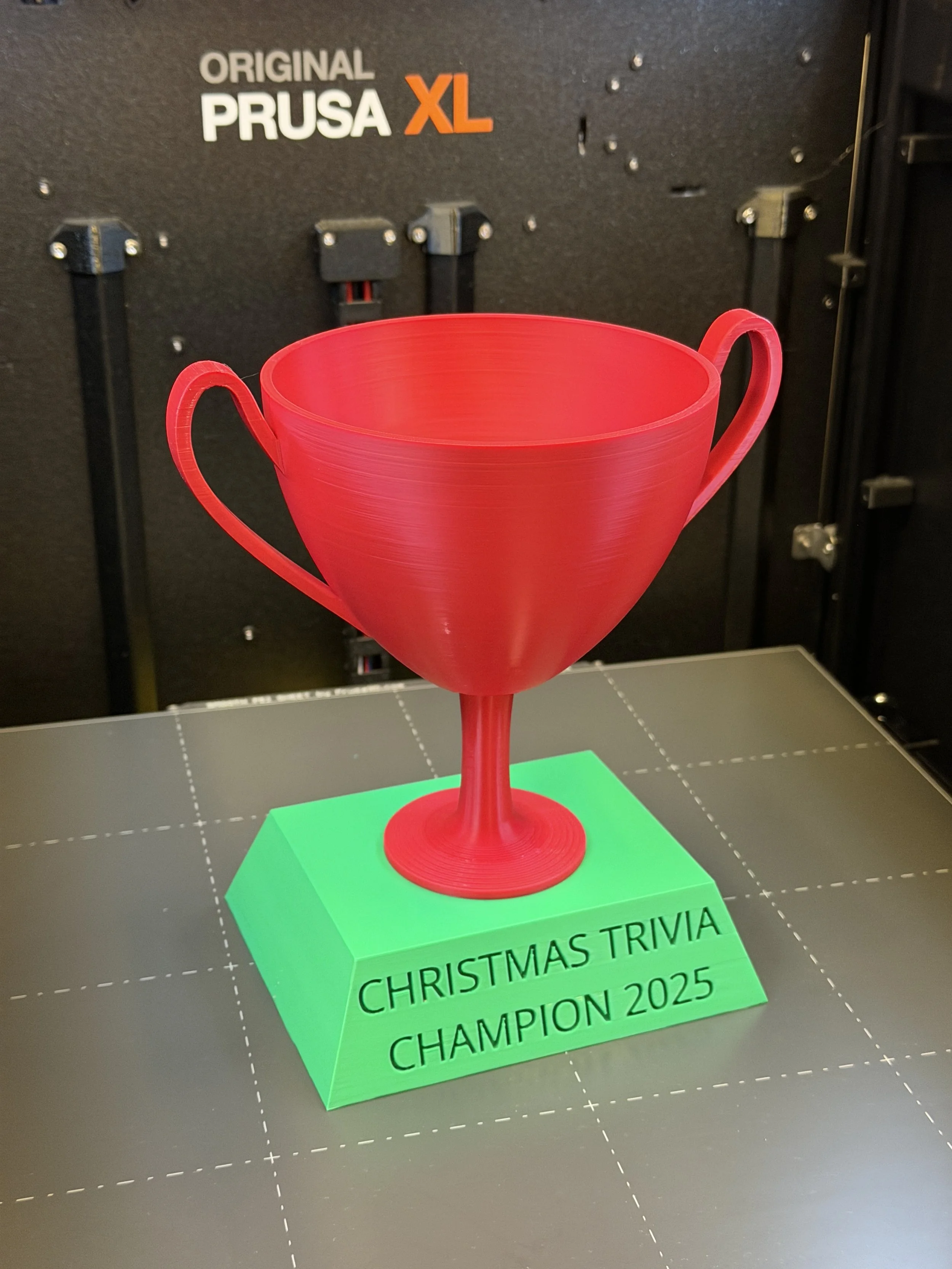
A custom trophy printed in PLA plastic by Bellair3D